

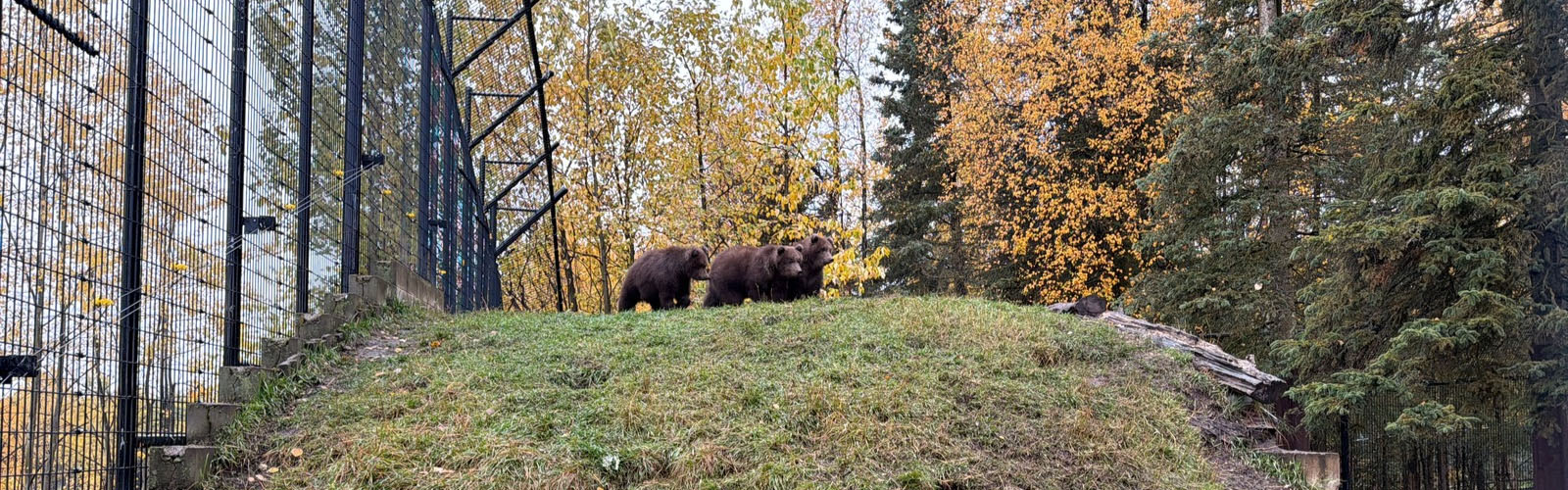
Orphaned Brown Bear Cubs Find New Home at the Minnesota Zoo
The Minnesota Zoo is pleased to announce the arrival of three orphaned brown bear cubs rescued in southern Alaska.
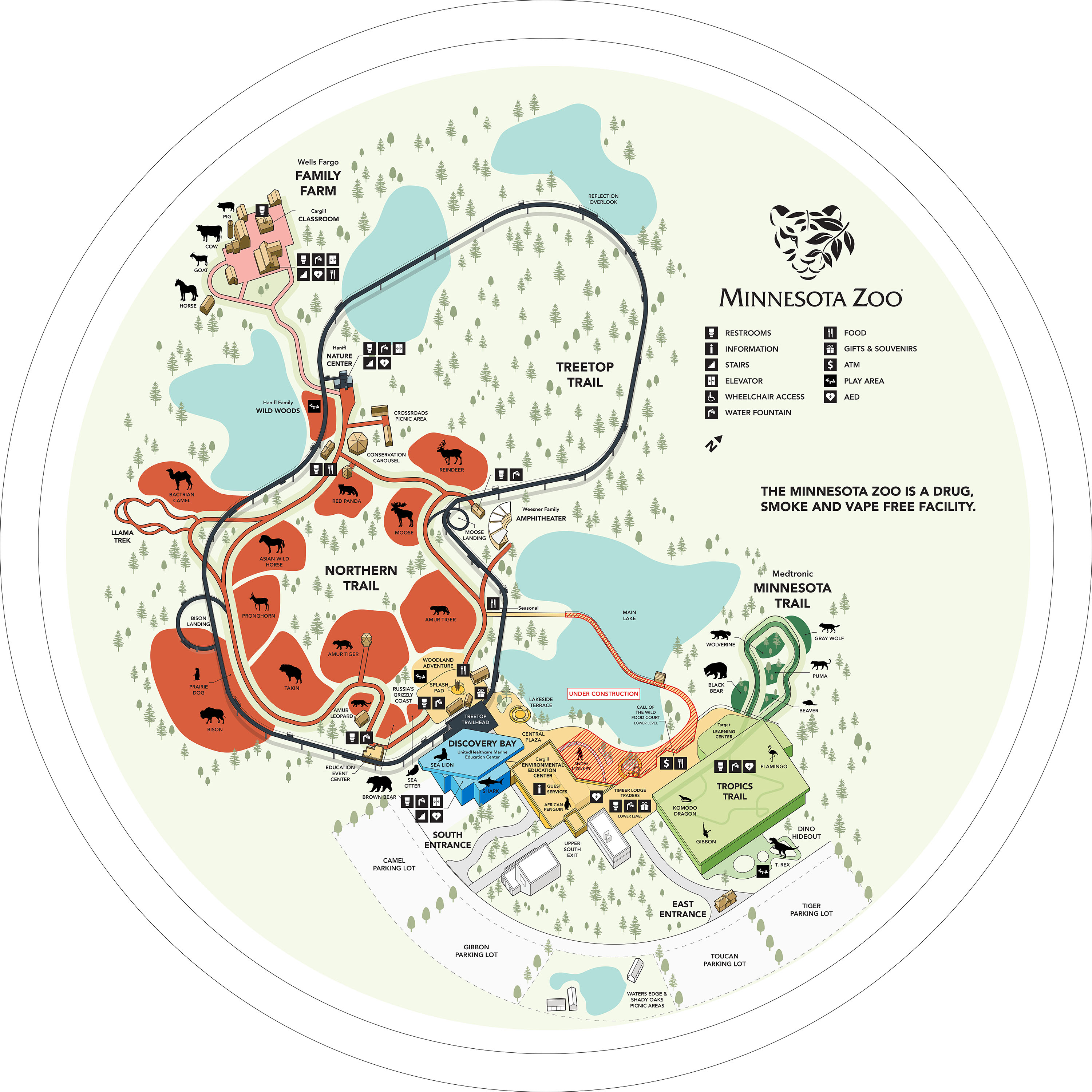
The siblings will live behind the scenes before making their debut in Russia’s Grizzly Coast in spring 2027.
Thanks to the actions of wildlife officials in Alaska and a strong partnership with AZA-accredited zoos, three orphaned brown bear cubs are settling into their new home at the Minnesota Zoo.
In July 2026, three brown bear cubs were observed without their mother for approximately a week near the community of King Salmon, about 250 miles southwest of Anchorage. Knowing the cubs could not survive on their own, the Alaska Department of Fish and Game transferred them on August 5 to the Alaska Zoo as a temporary home. The cubs’ mother was never located. However, one of the cubs received treatment for minor injuries consistent with a bear attack, suggesting their mother may have been attacked by a boar (adult male bear).
The two male cubs and one female are approximately 9 months old. While preparations were made for the move to their new home at the Minnesota Zoo, they received expert care at the Alaska Zoo and built trusting relationships with human caregivers through enrichment, training sessions, and a diverse diet. Their curiosity and playfulness endeared them instantly to all who met them.
Since arriving in Minnesota in October, the cubs have adjusted well to their environment and caregivers while they quarantine at the Animal Hospital. They are hearty eaters who enjoy fruits and vegetables – plus a pallet of salmon given to them as a parting gift from the Alaska Zoo. Between playing, eating, napping, and growing bigger by the day, they are very busy bears.
Meet the Cubs
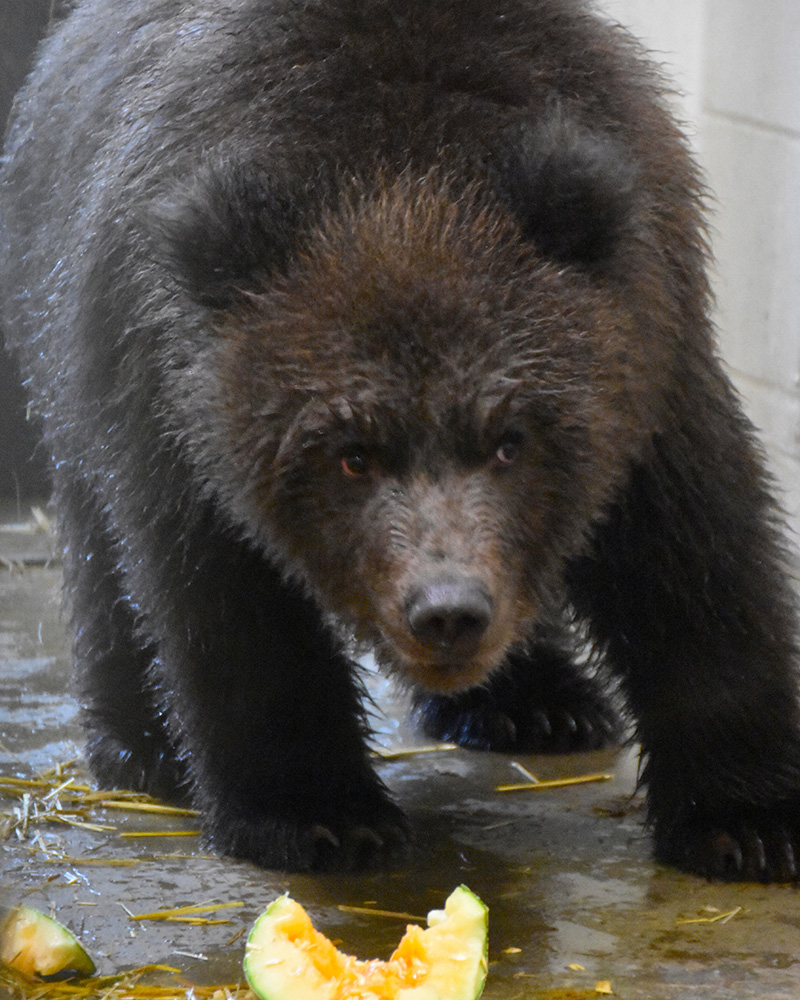
Brooks
The smallest of the three is Brooks. He’s proven to be the most outgoing sibling, who shows courage and curiosity whenever he encounters something new.
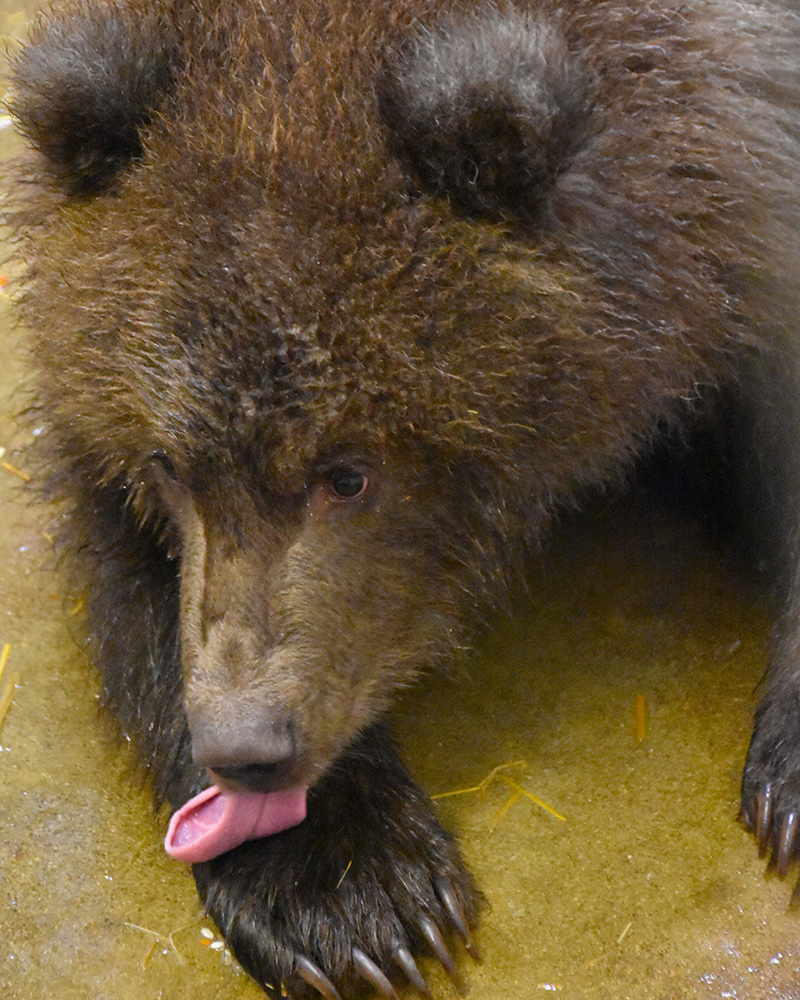
Bristol
Sister bear Bristol is sassy with her siblings and often gives chase. She’s prone to sitting on her haunches or lying flat – Superman-style – when eating. She has a lighter-colored face and a red tinge to her fur.
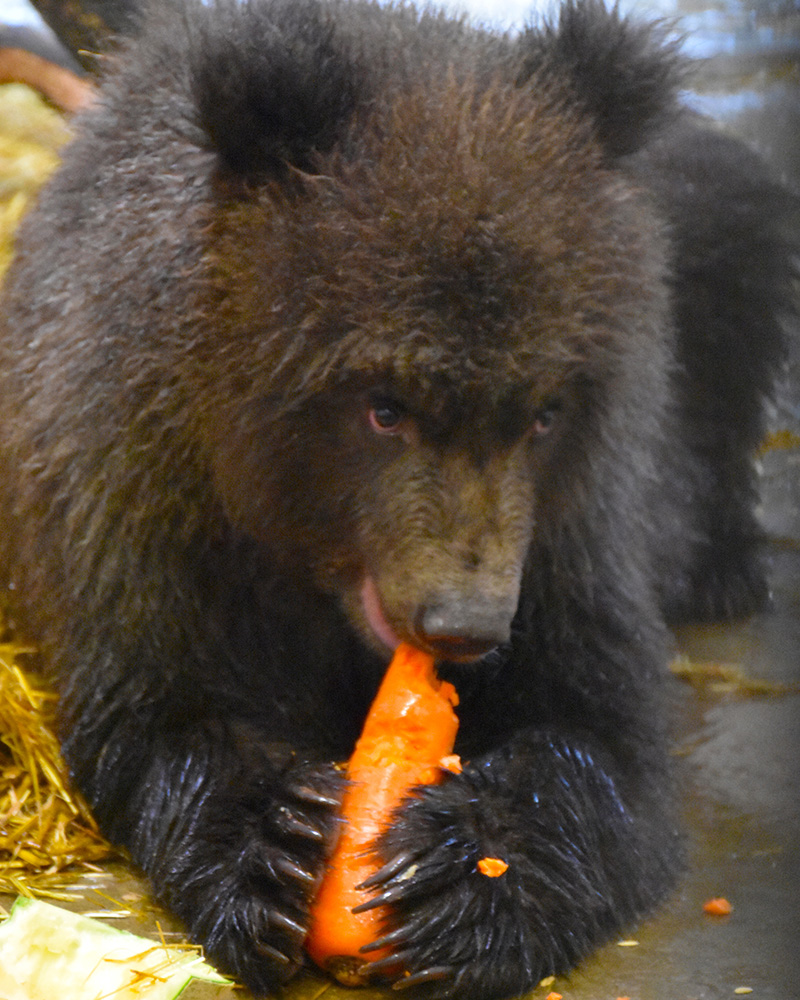
The cubs’ names all derive from place names and geographic features of southern Alaska. Dillingham is a fishing port on Bristol Bay. The Brooks River flows through Katmai National Park & Preserve and is world-renowned as brown bear habitat.
The cubs’ arrival is particularly meaningful for those Animal Care staff who remember welcoming another trio of orphaned bears nearly 20 years ago, including Diana Weinhardt, Curator of the Northern Trail. She cared for brown bears Sadie, Haines, and Kenai after they were rescued under similar circumstances in Alaska in 2006 and moved into the newly opened Russia’s Grizzly Coast exhibit at the Minnesota Zoo in 2008.
“It's incredibly special to begin this journey again,” Weinhardt says. “These cubs have a bright future ahead of them, and we look forward to watching them grow while inspiring a new generation of guests to appreciate and protect bears in the wild.”
Grrrowing Up
The cubs were likely born in January while their mother hibernated in the warmth and safety of her den. For several months, the tiny cubs grew and developed thanks to their mother’s nourishing milk, then emerged as a family in the spring.
In their first summer, the cubs adopted an omnivorous diet and likely fished for salmon with their mother and foraged for berries, grasses, roots, and insects.
The cubs are a subspecies called the Alaska Peninsula brown bear (Ursus arctos gyas), which is native to the coast of southern Alaska — where bears outnumber people! As they feed on salmon native to that region, peninsular brown bears can grow to be among the largest of all bears. Adult males can weigh 500–900 pounds or more, while females are generally smaller, often weighing 250–600 pounds.
What’s to Come for the Cubs
The cubs will remain behind the scenes through the fall and winter. In spring 2027, they will move to Russia’s Grizzly Coast and alternate in the habitat with Sadie, a 21-year-old brown bear. In her senior years, Sadie continues to thrive with expert care and attention to her health and mobility. In early winter, she will naturally enter a sleepy state called torpor. Guests may still see her in the outdoor habitat, as she seeks exercise and fresh air at her choosing.
Follow @mnzoo on social channels (Facebook, Instagram, and YouTube) and subscribe to the Zoo’s e-newsletter for updates on the cubs’ growth, antics, and springtime debut.
Ways to Help Wildlife
The bear cubs have a bright future in their forever home. Want to help create more success stories like theirs? Make a donation to the Minnesota Zoo Foundation to help provide exceptional care to animals, connect more people with the natural world, and save wildlife.
Ready for Rescue
The Minnesota Zoo, an AZA-accredited institution, was selected as the cubs’ home due to nearly two decades of experience with brown bears and an expansive natural habitat for them. The Zoo has a strong history of collaboration with the Alaska Department of Fish and Game to provide forever homes for rescued animals when they cannot be successfully returned to the wild. This includes a wolf pack in 2014 and, more recently, a red fox and pine marten who live on the Medtronic Minnesota Trail.

13000 Zoo Boulevard
Apple Valley, MN 55124
952.431.9200
About
Your Visit


Copyright 2026, Minnesota Zoo | All Rights Reserved | Privacy Policy